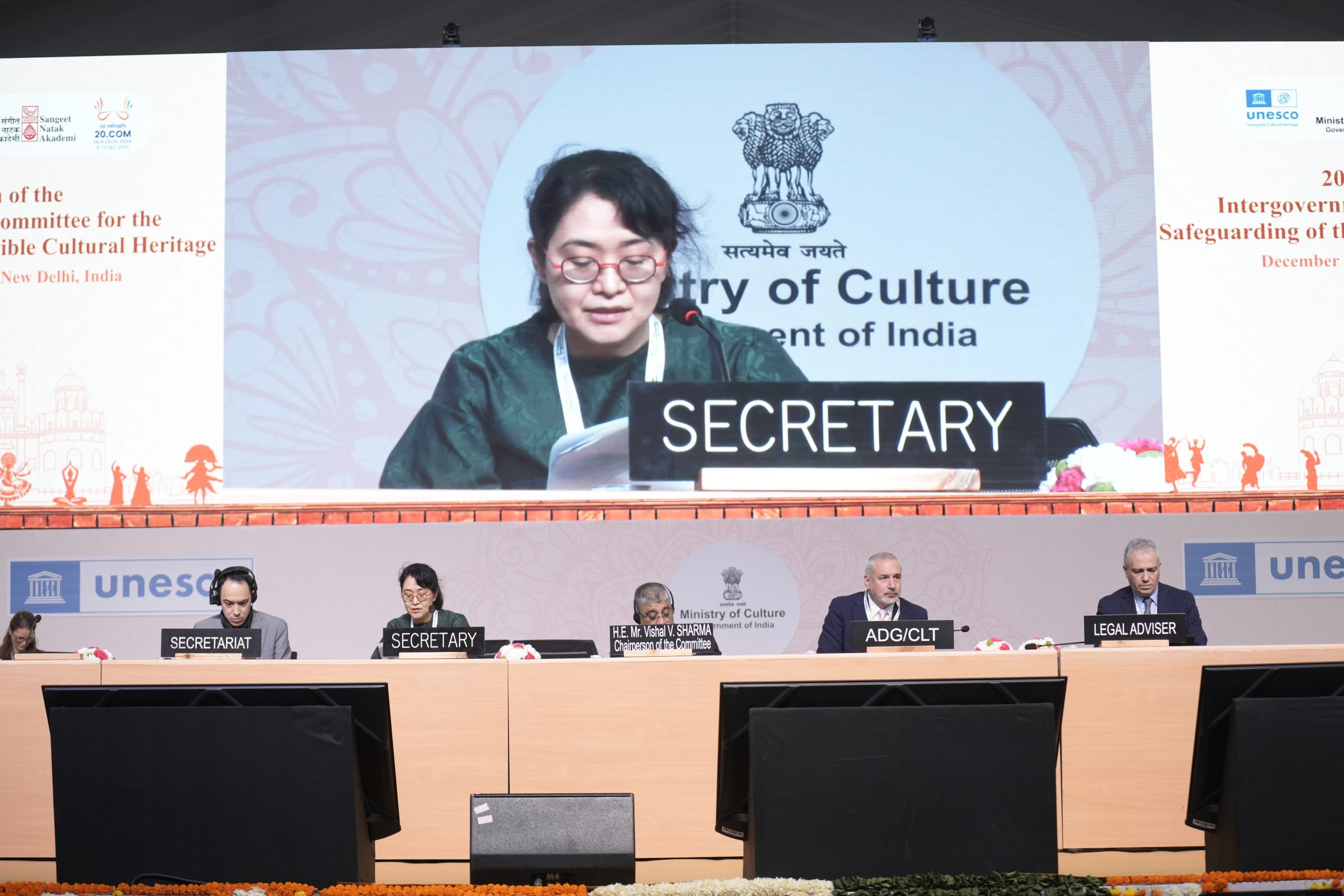
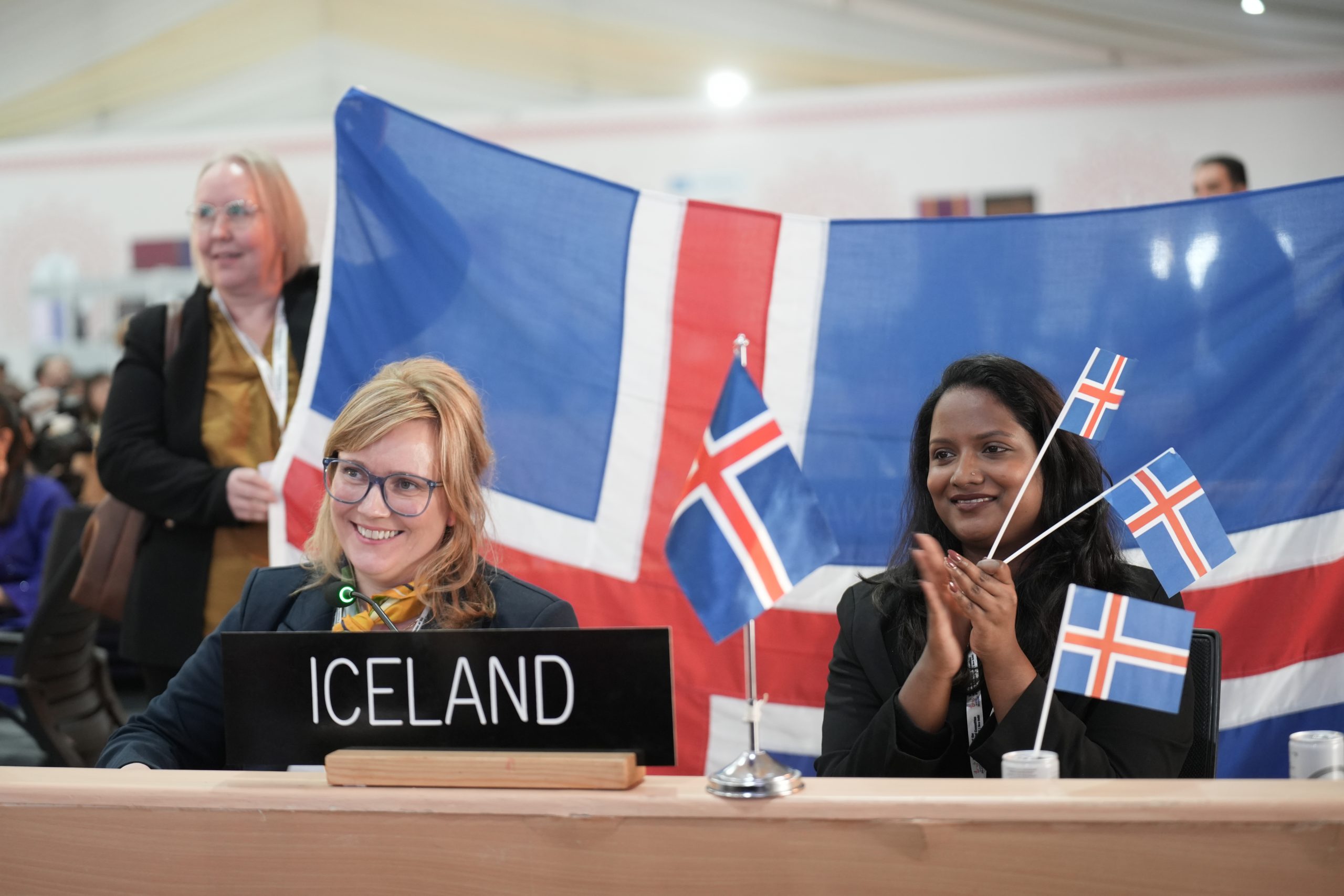
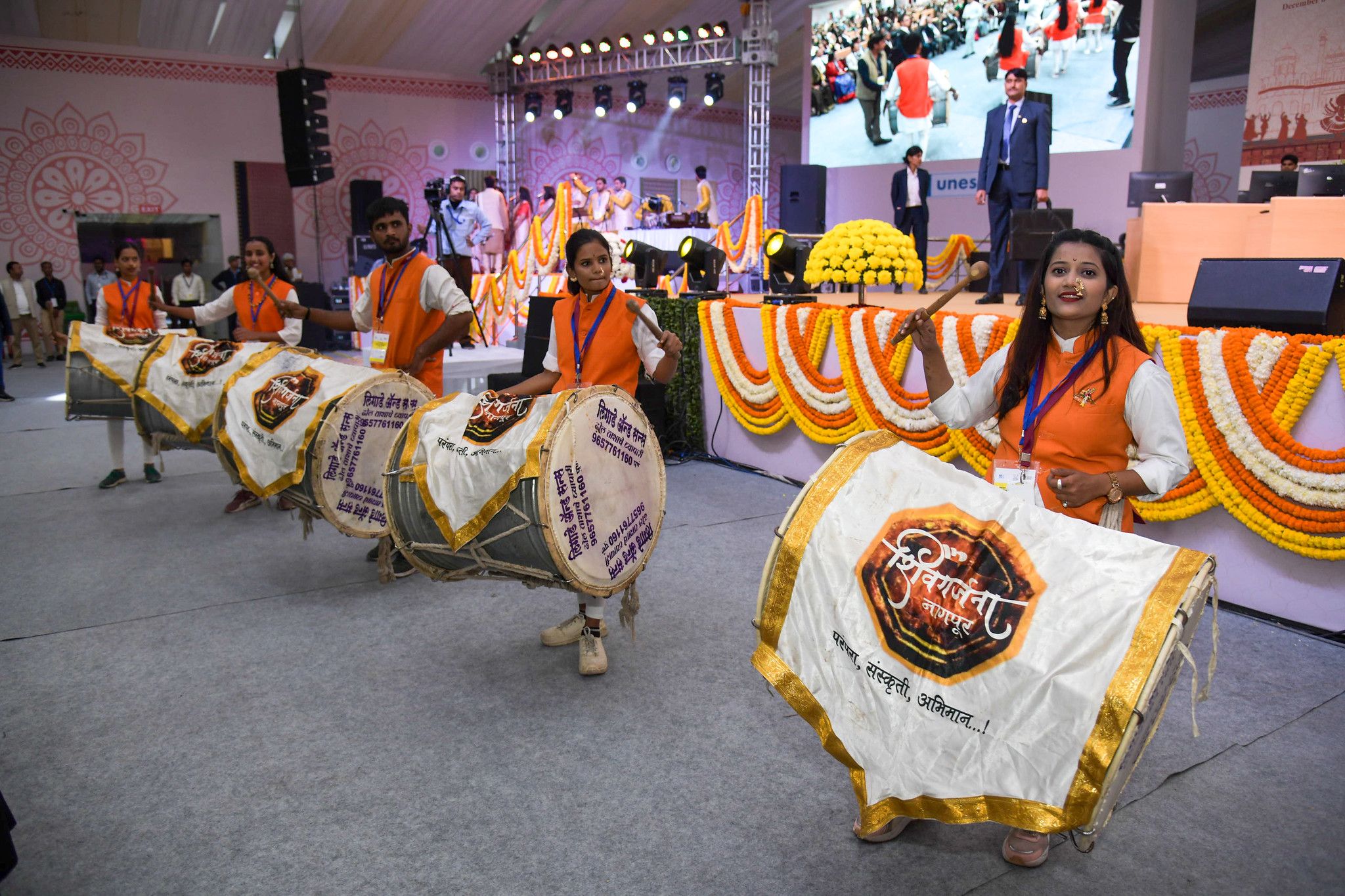
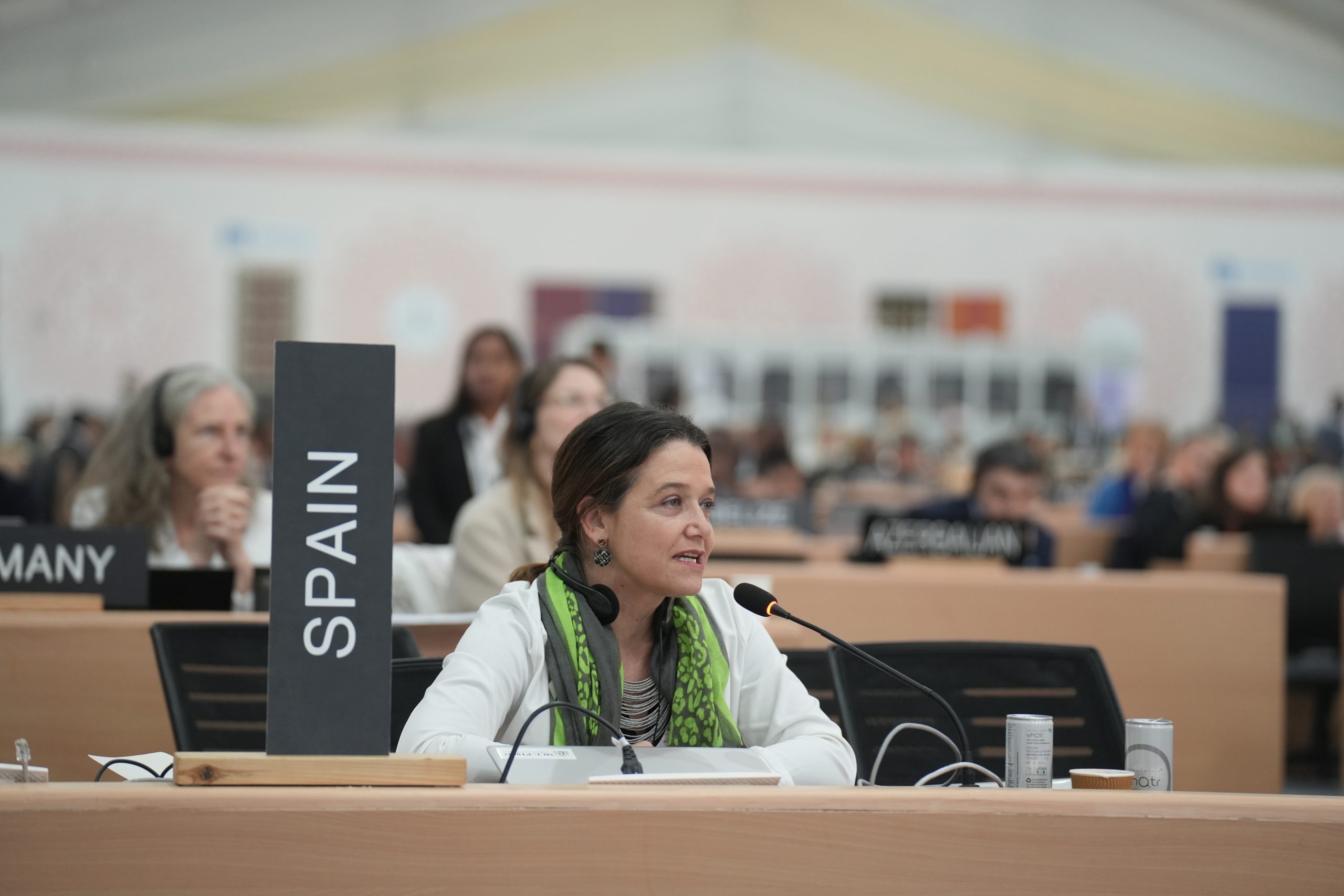
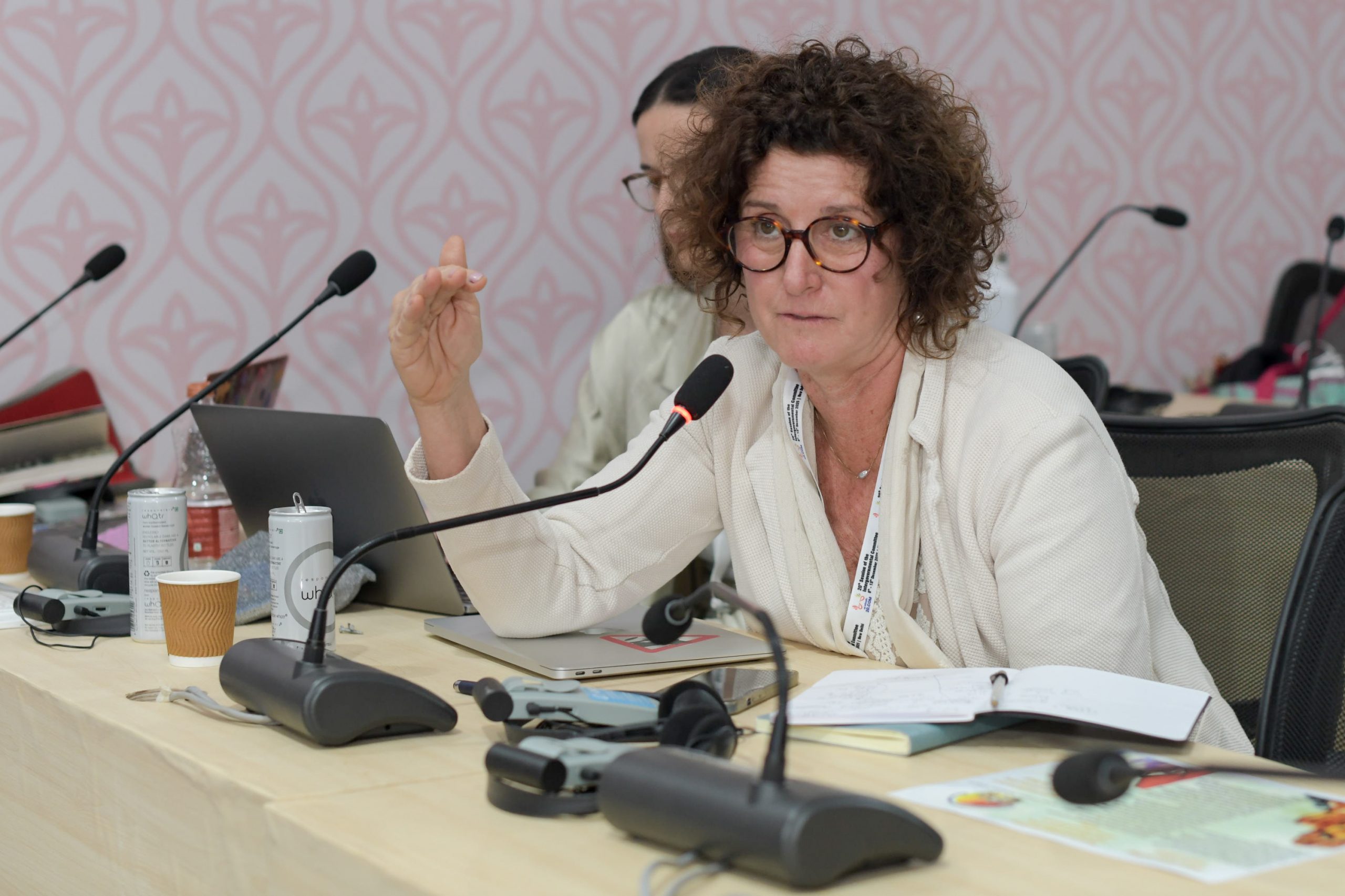
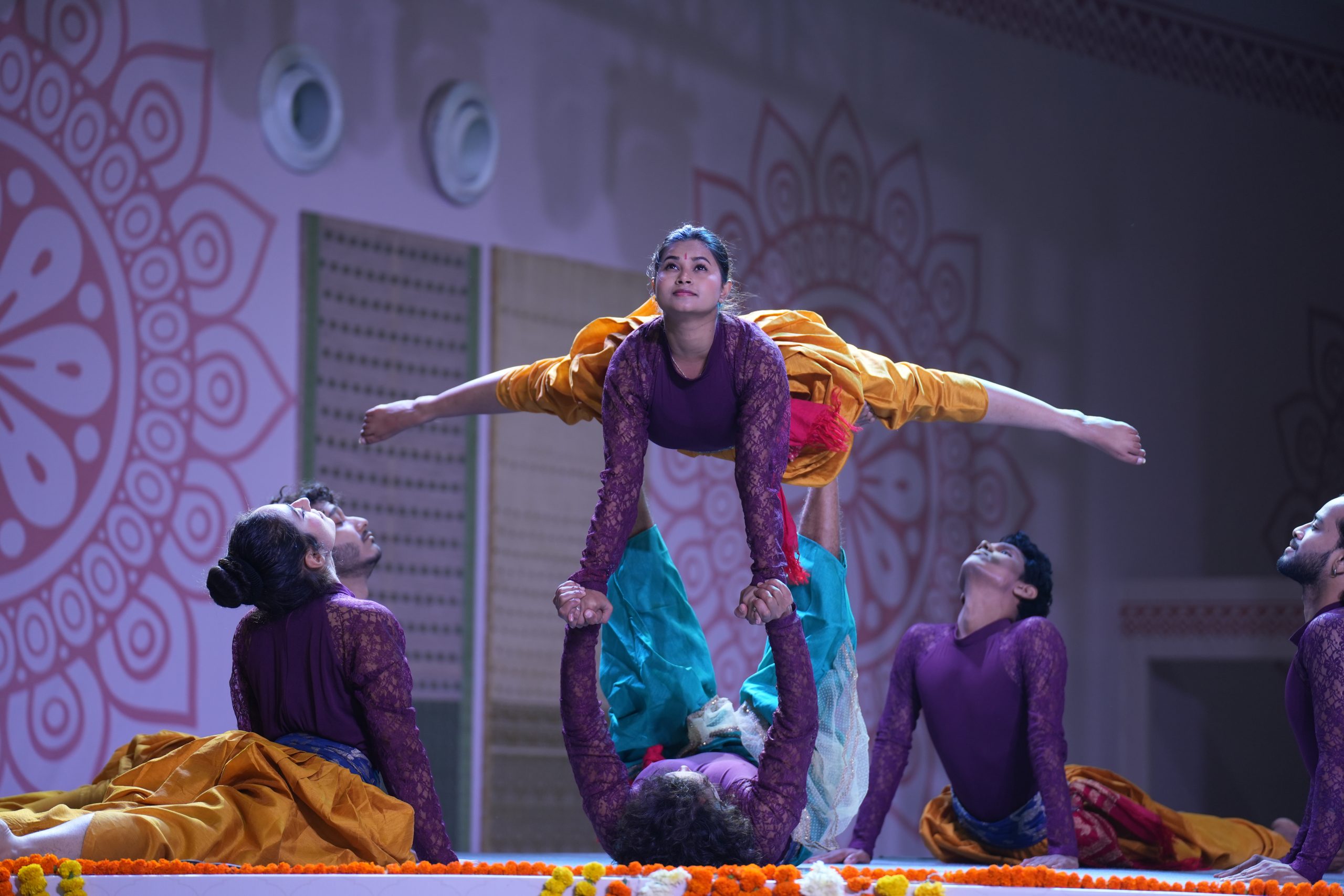
The 20th session of the Intergovernmental Committee for the Safeguarding of the Intangible Cultural Heritage (20.COM) was held from 8 to 12 December in New Delhi, India. Hosted in the iconic Red Fort, the session brought together delegations, experts, communities, NGOs and observers from across the world.

  With more than 1,400 registered participants, this session marked the highest level of participation ever recorded for the Committee, clearly demonstrating the growing importance attributed by States Parties to living heritage and to the implementation of the 2003 Convention in an increasingly complex global context.

UNESCO Lists

  One of the highlights of the session was the inscription of 67 new elements across the Convention’s mechanisms:

  • 11 elements were inscribed on the List of Intangible Cultural Heritage in Need of Urgent Safeguarding;
  • 53 new elements were inscribed on the Representative List, and two elements transferred from the Urgent Safeguarding List;
  • 3 elements were added to the Register of Good Safeguarding Practices.

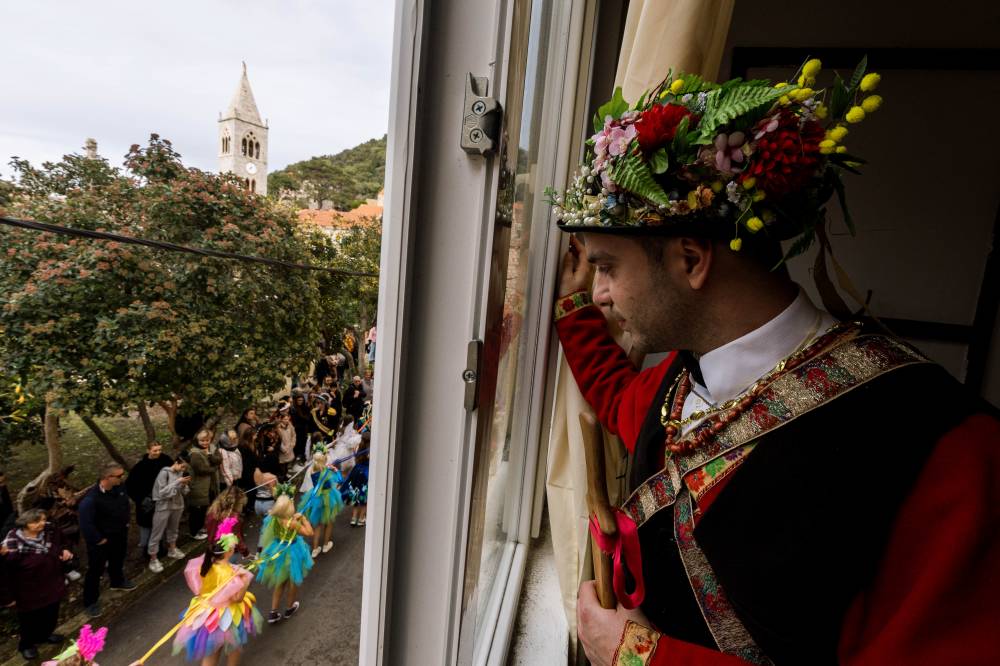
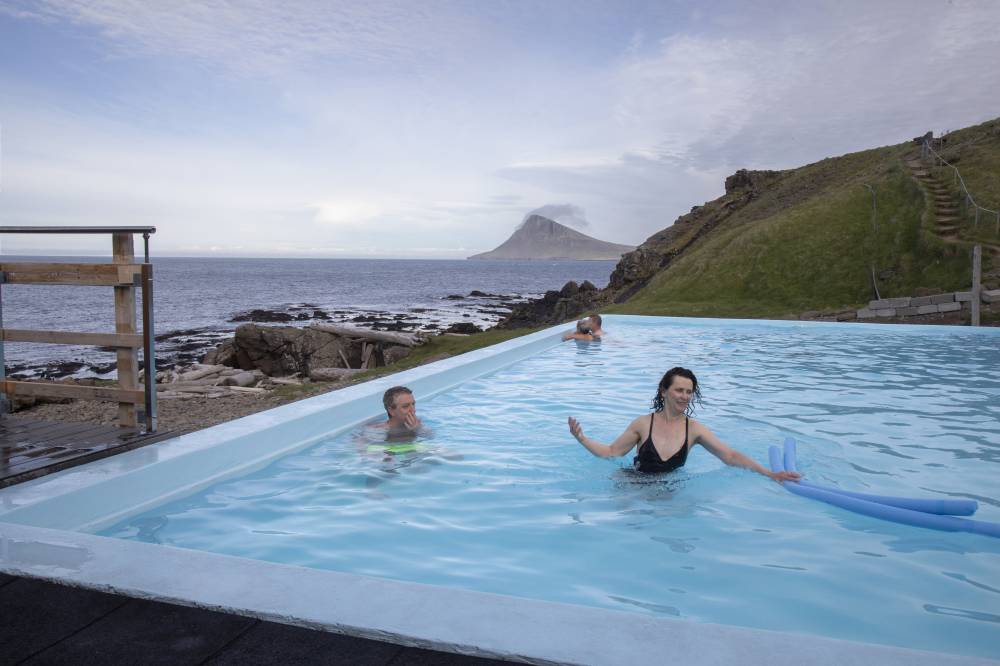
  These new inscriptions bring the total number of inscribed elements to 849 practices across 157 countries, illustrating both the diversity of living heritage worldwide and the sustained engagement of States with the Convention.

  The 20.COM session was also marked by a strong emphasis on multinational cooperation. Nine multinational nominations involving 28 countries were inscribed, and seven States Parties achieved their first-ever inscription under the Convention.

  It highlights the role of the 2003 Convention as a space for dialogue, cooperation and shared responsibility across borders, encouraging States to work together.

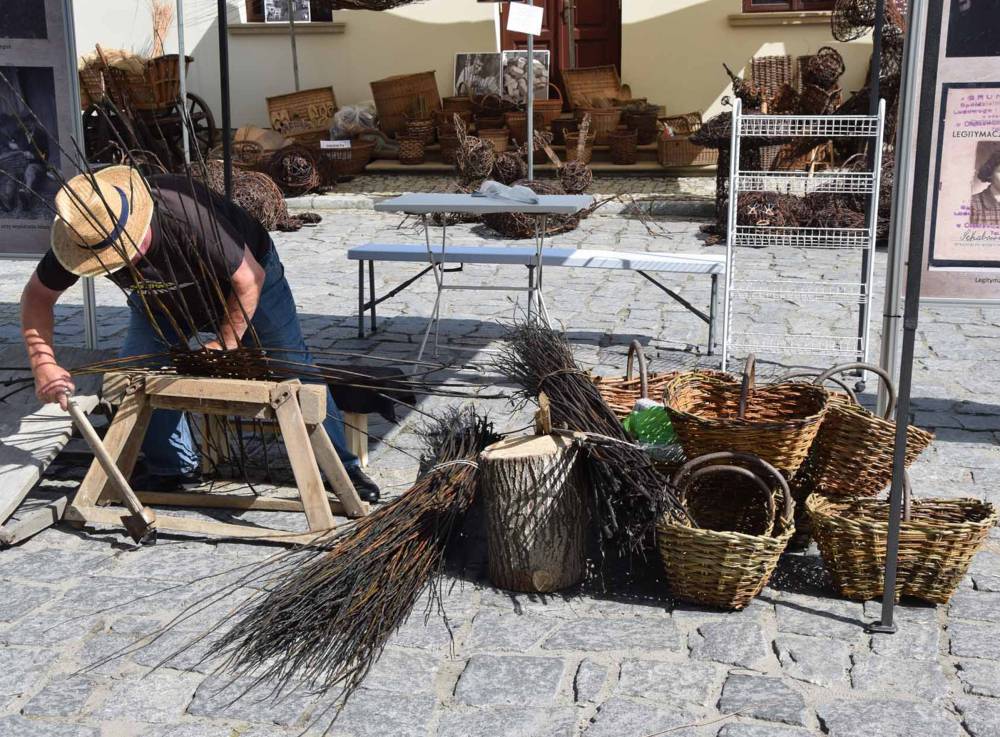
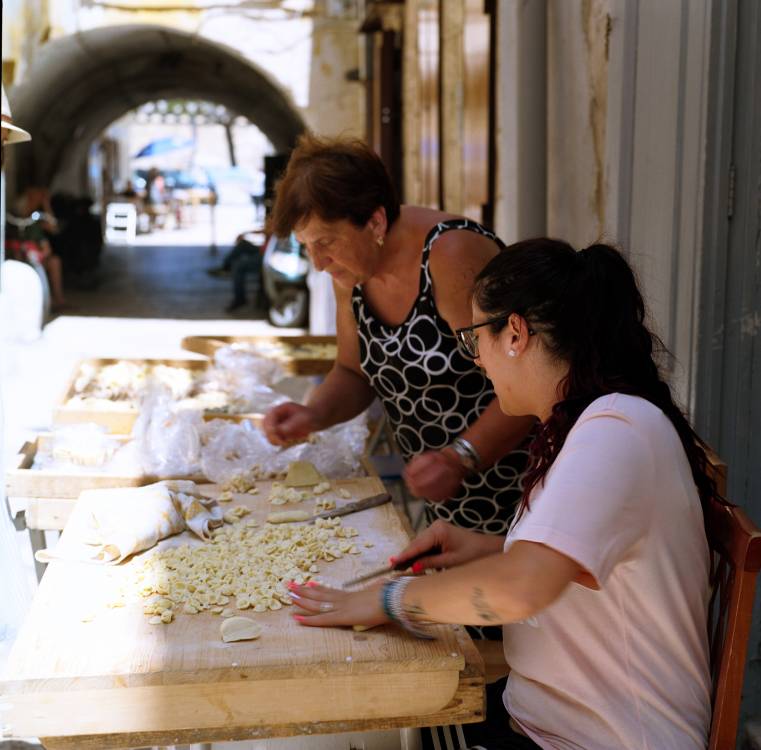
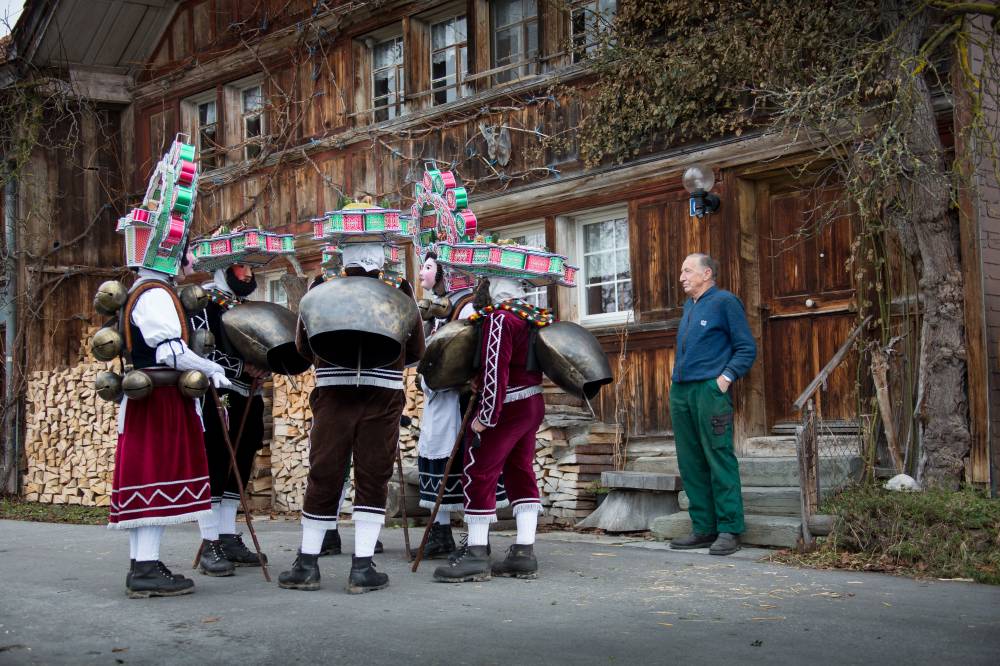
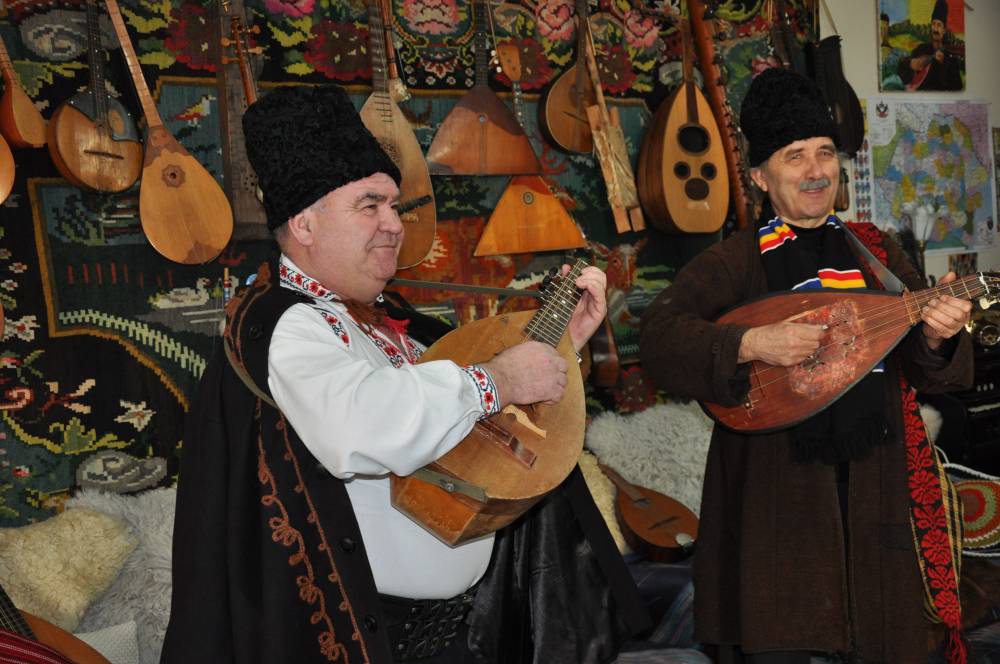
  A thematic trend also emerged across many of the inscriptions this year: the prominence of manual practices and traditional craftsmanship. Elements related to musical instruments, crafts, culinary traditions and performing arts drew particular attention. Rooted in precise gestures and technical knowledge transmitted across generations, deeply embedded in cultural values, these practices also embody worldviews, social relationships and collective identities, beyond the technical skills as such.

  Several nominations further highlighted the economic dimension of intangible cultural heritage. For many ICH communities, traditional crafts, artistic practices and know-how represent sustainable livelihoods and key sources of income. This reinforces the understanding that living heritage is often strongly intertwined with economic resilience and dignity for heritage bearers. This resonates strongly with UNESCO’s thematic initiative on the economic dimensions of safeguarding, which seeks to better align heritage policies with sustainable development goals.

Living heritage, capacity building and learning platforms

  Throughout the session, strong attention was given to the continued development of tools and platforms aimed at strengthening capacities and supporting peer learning across regions. The launch of UNESCO’s learning platform for safeguarding intangible cultural heritage was a milestone in 2025. The platform provides online and multimodal training modules linked to the capacity building programme of the Convention and is now publicly accessible.

  In addition, the new Online Platform dedicated to sharing safeguarding experiences and good practices from communities worldwide (article 18), was presented in its test version. The platform offers a space for exchange, visibility and mutual learning.

Living heritage, sustainability and thematic initiatives

Thematic initiatives linking living heritage and sustainable development were further advanced:

  • Building on the guidance note on the economic dimensions of safeguarding, the Secretariat initiated technical exchanges with other UN agencies and began preparing sector-specific capacity-building materials.
  • Work also progressed on integrating living heritage into climate action, notably through contributions to the Culture and Climate Action thematic framework presented at MONDIACULT 2025.
  • In addition, UNESCO explores emerging themes such as the potential of digital technologies, including artificial intelligence, for living heritage communities. 
  • Key highlight among the thematic initiatives for 2025 was the approval of the new thematic Guidance Note on Safeguarding intangible cultural heritage in urban contexts.

Safeguarding living heritage in urban contexts

  Recognising cities as dynamic spaces where traditions evolve, the Guidance Note on Sageguarding intangible cultural heritage in urban contexts responds to challenges linked to urbanisation, migration and social diversity. It emphasises the importance of integrating living heritage into sustainable urban planning, strengthening links between tangible and intangible heritage, and ensuring the participation of communities, planners and public authorities.
  This thematic work has been developed building on a global survey, expert consultations and capacity-building pilots in several countries, producing a practical guidance note including city policies and urban planners.

A dynamic programme of side events and parallel discussions

Economic dimensions of living heritage safeguarding: from principles to practice

  A dedicated side event, organized by the Secretariat, addressed the economic dimensions of safeguarding living heritage, bringing together experts,  practitioners and community representatives, policymakers and NGOs to advance global reflection. Structured in two complementary parts, the event examined both challenges and opportunities linked to the economic engagement with living heritage. 

  The first session presented case studies from around the world, highlighting recurrent concerns related to unwanted or unregulated third-party economic uses of living heritage. The second session focused on transferable lessons from practice, showcasing initiatives that strengthen community agency and promote fair and equitable sharing of economic benefits. Together, the discussions emphasised the need to ensure that economic approaches remain aligned with the spirit and principles of the 2003 Convention and contribute to positive, community-centred safeguarding outcomes.

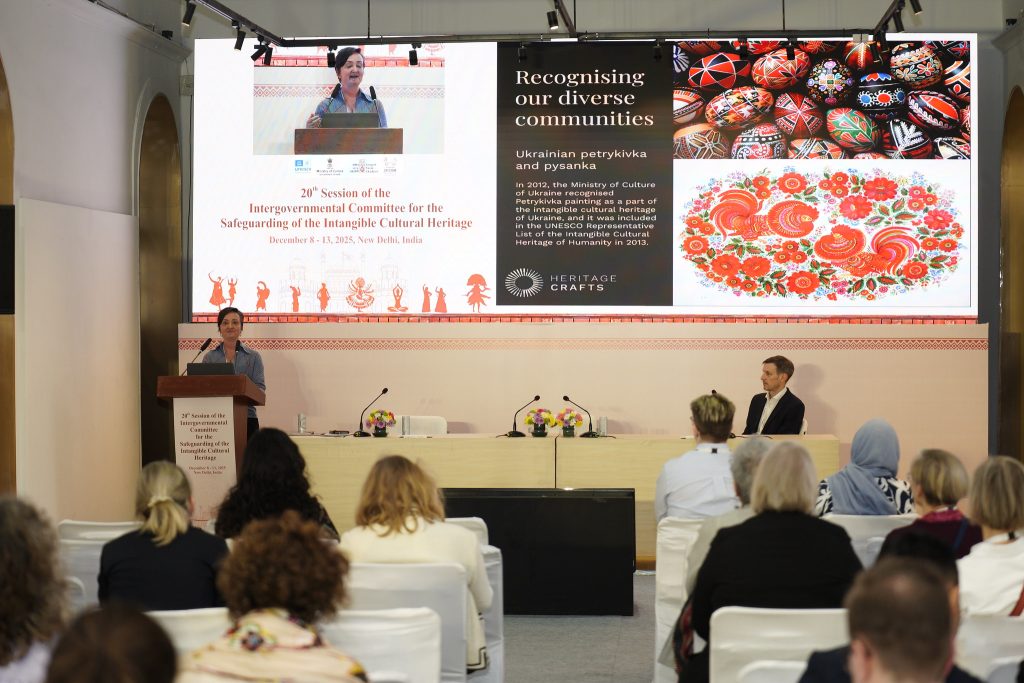
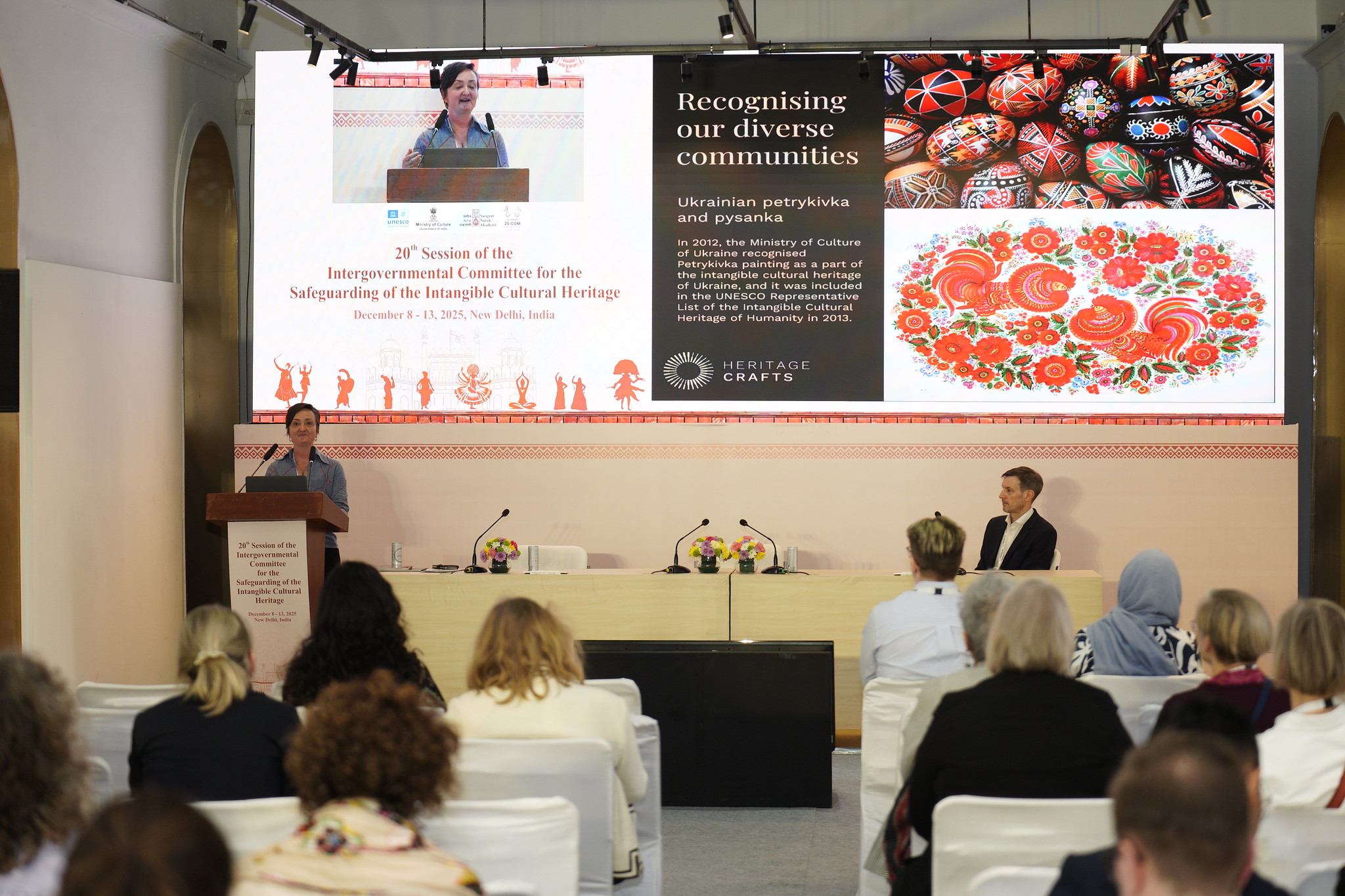
Heritage Craft: Celebrating 10 Years of the Red List of Endangered Crafts

  This side event celebrated the tenth anniversary of the Red List of Endangered Crafts, developed by Heritage Crafts to document traditional craft skills in the United Kingdom that are at risk of disappearing. The Red List is based on a clear set of criteria that assess the viability of craft practices, drawing on data collected directly from practitioners and sector experts.

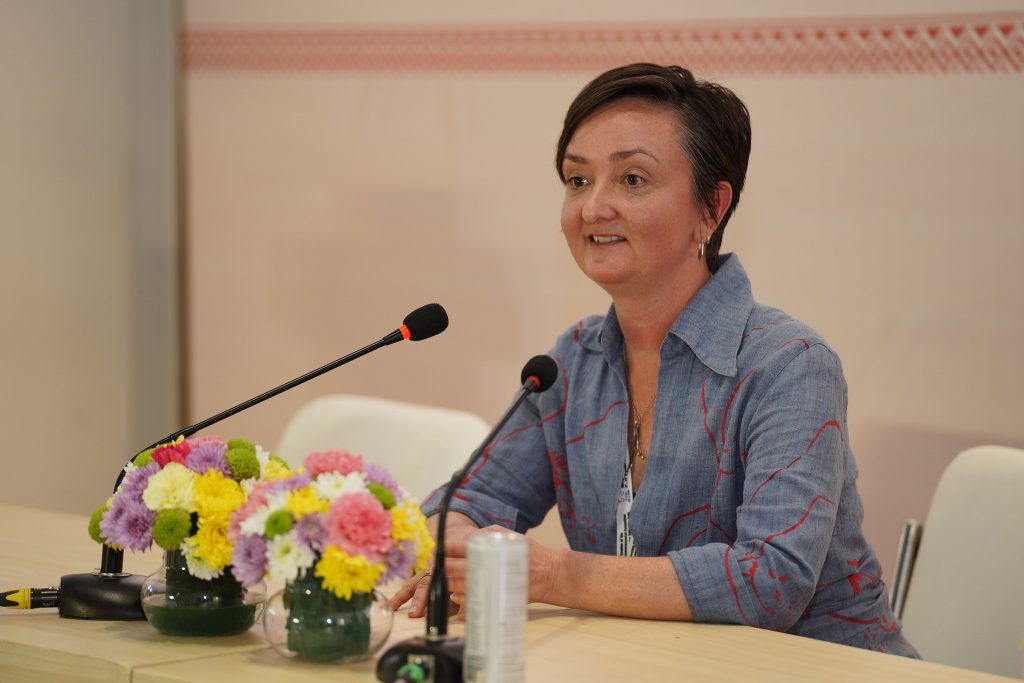
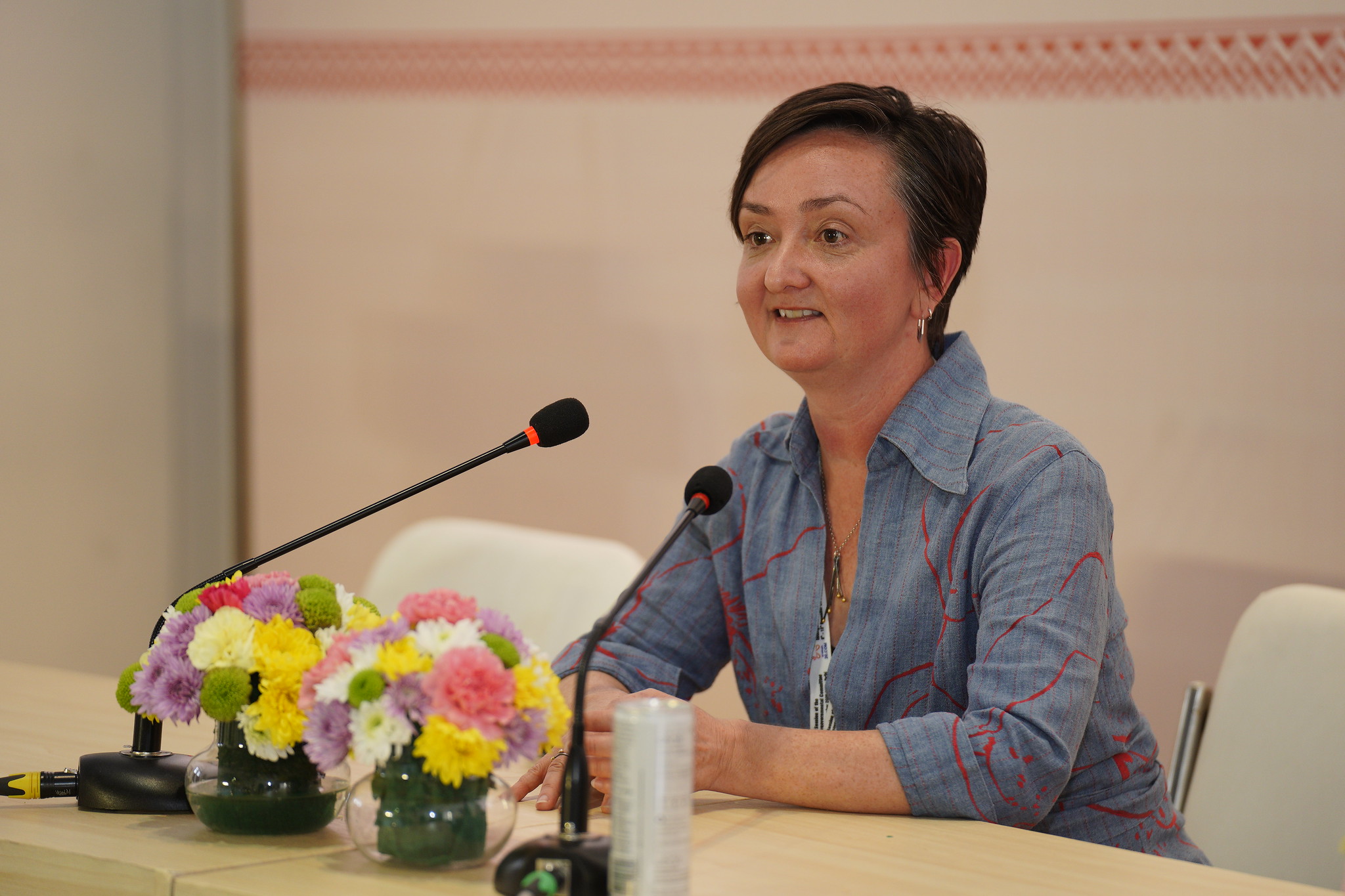
   Mary Lewis, Head of Craft Sustainability, shared practical examples of how this evidence-based approach has helped guide safeguarding actions, raise awareness among decision-makers and support targeted policy responses. The session also offered concrete insights for public authorities and NGOs interested in developing similar tools to identify endangered crafts and prioritise safeguarding efforts in their own contexts.

ICH NGO Forum symposium

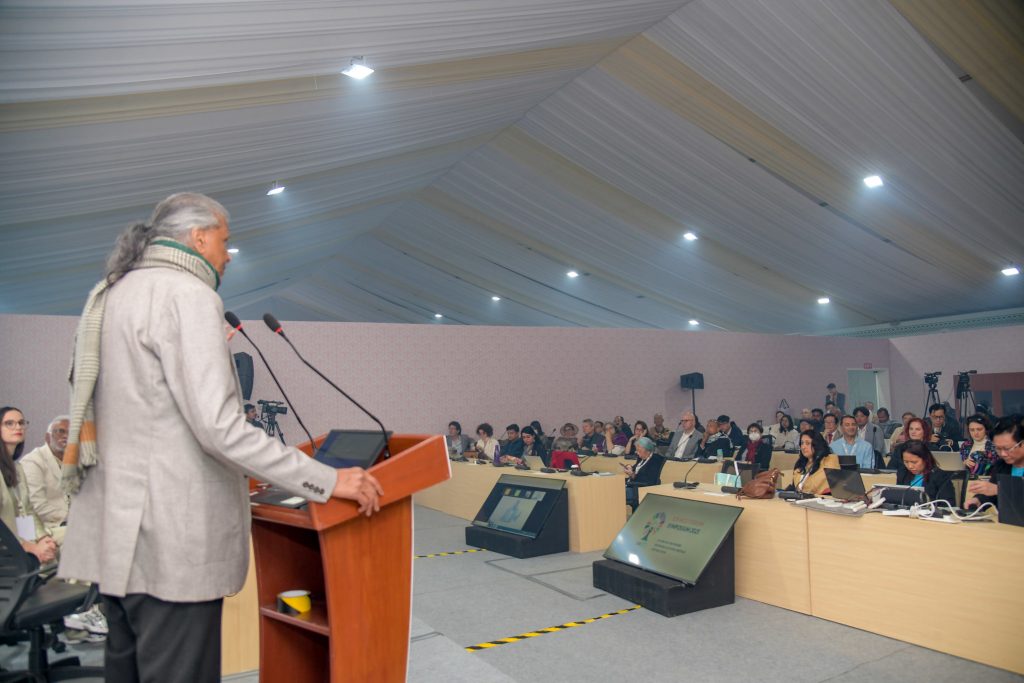
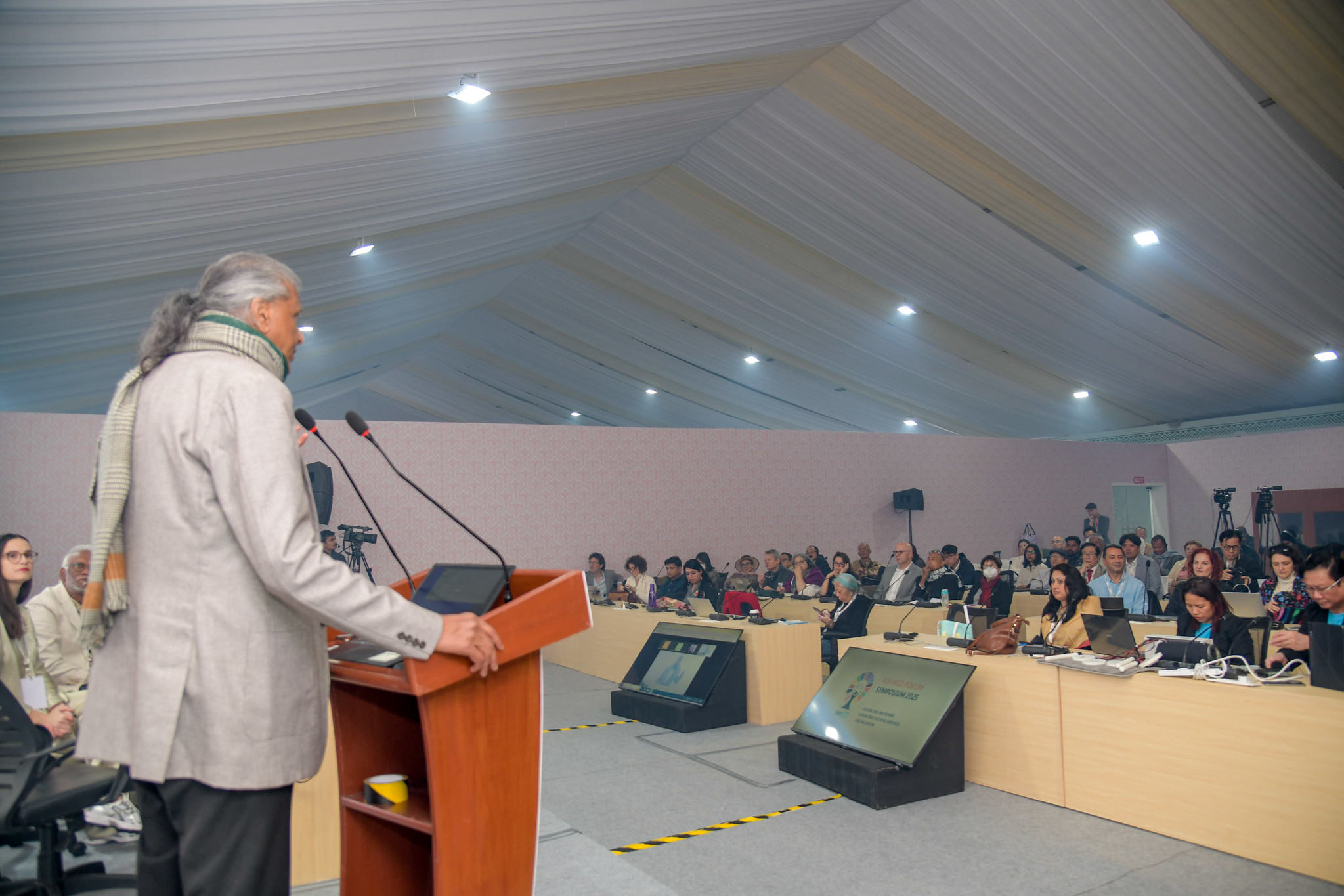
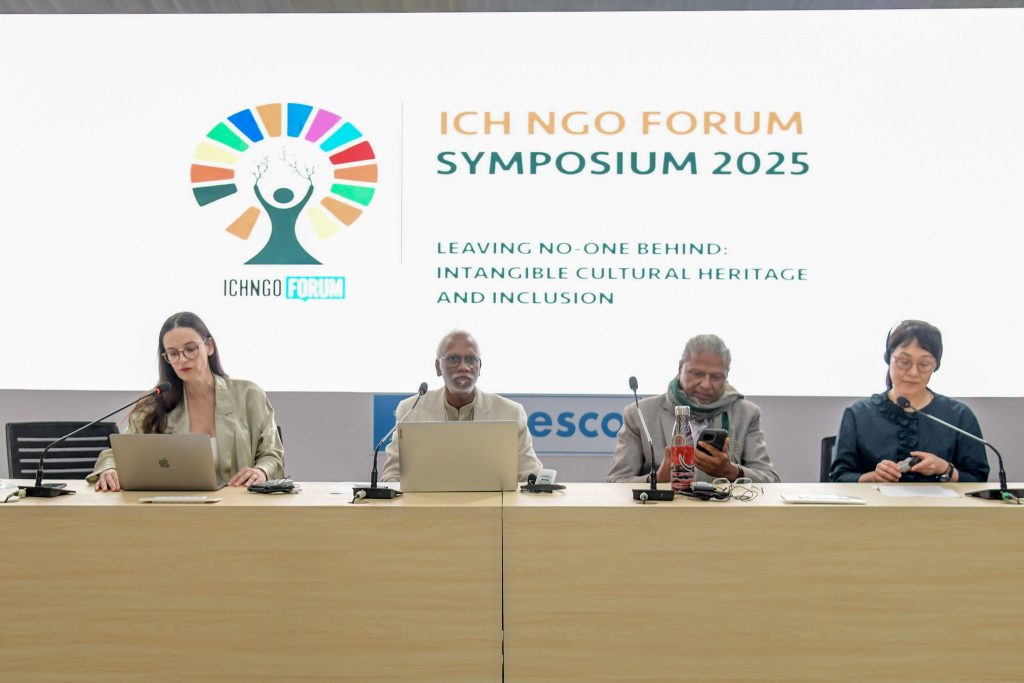
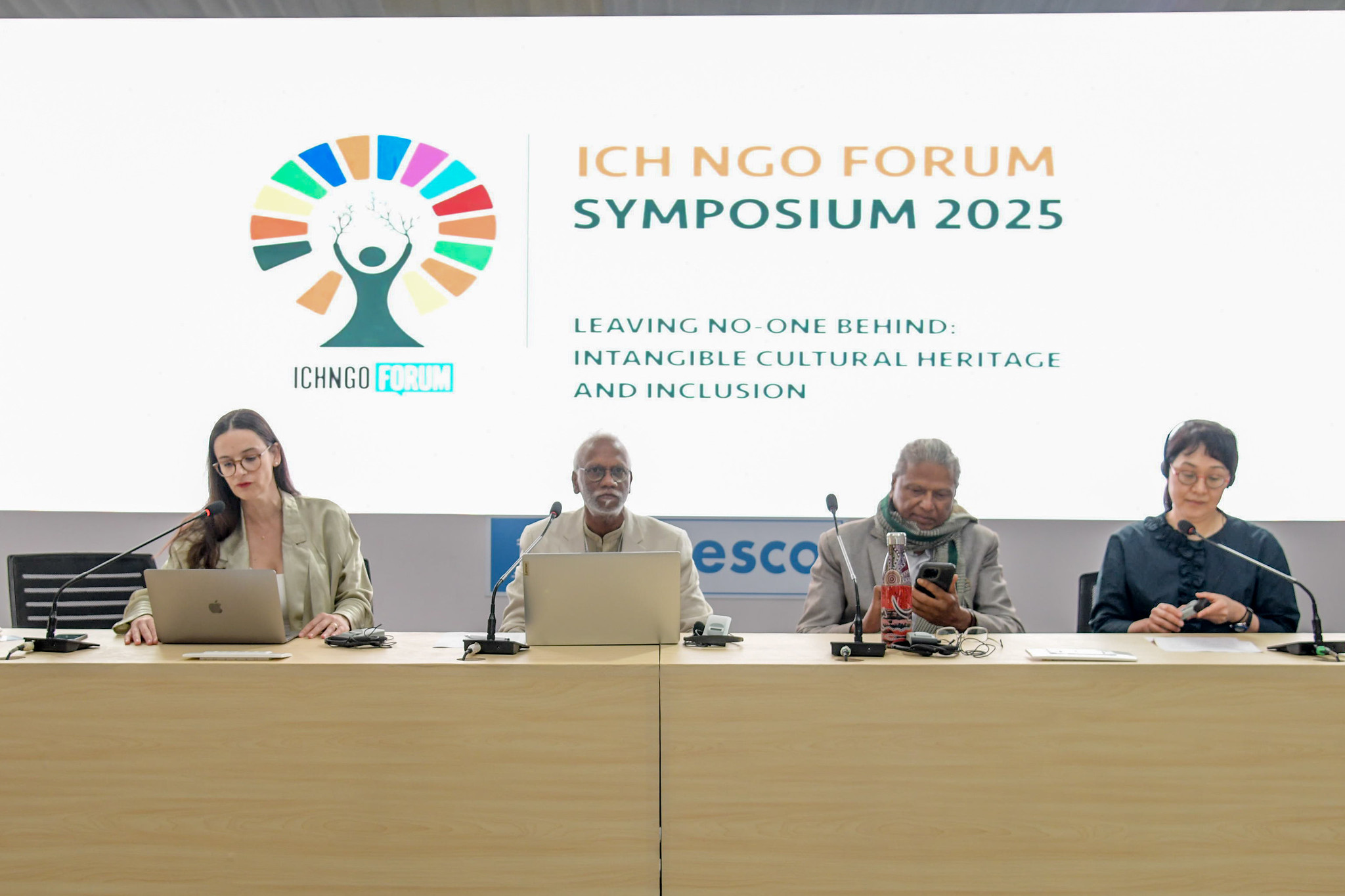
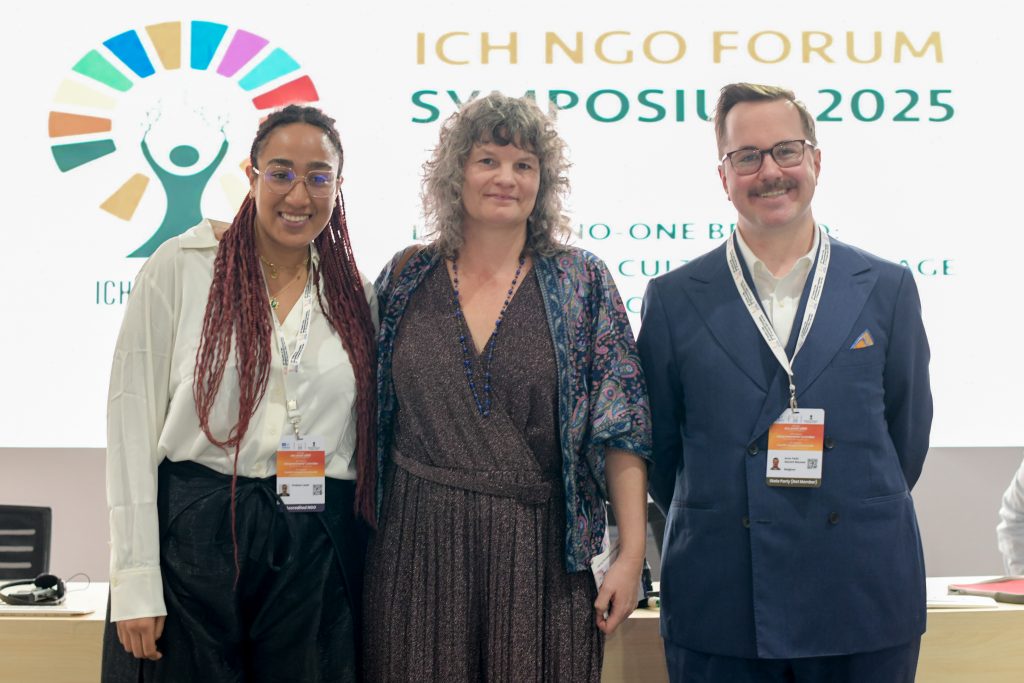
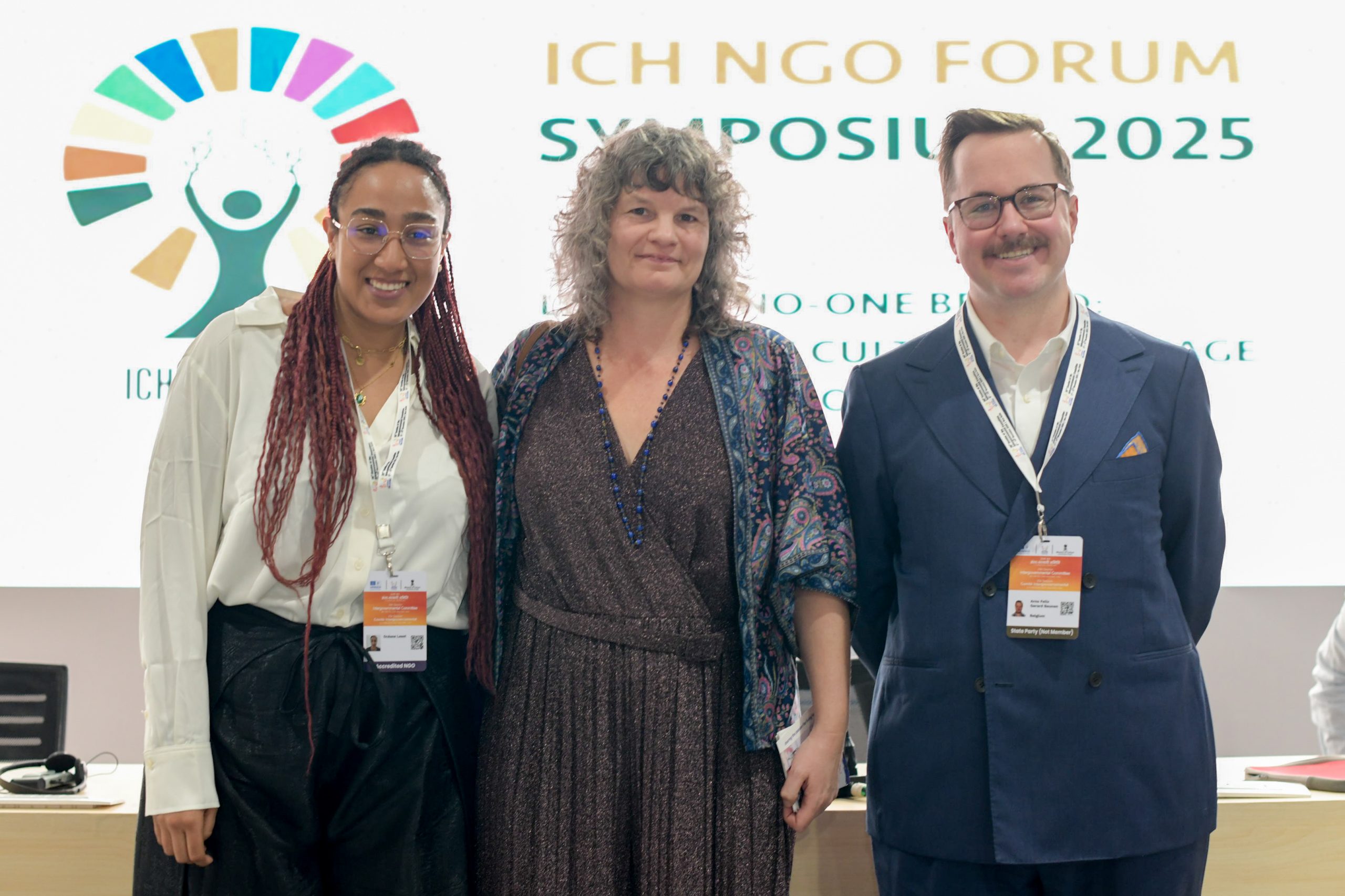
  The 20th session of the Committee was preceded by the annual ICH NGO Forum Symposium on 7 December. This event marked the start of a week of collective reflection and working sessions. Focusing particularly on persons with disabilities and persons with specific needs, the symposium explored the theme ‘Leaving no one behind: intangible cultural heritage and inclusion’. It emphasised the pivotal role of living heritage in fostering more inclusive and equitable societies.

  The Forum organised several events alongside the Committee, showcasing the work of its various working groups, including those focusing on the overall results framework, climate change, achieving more balanced geographic representation of NGOs, and legal and policy development. The 20COM also provided an opportunity to launch the latest issue of the #HeritageAlive, which is dedicated to basketry this year.

  These events provided an important opportunity for accredited NGOs, communities, experts, and institutions to share concrete experiences, current challenges, and innovative practices. They also reaffirmed the vital contribution of NGOs to the implementation of the 2003 Convention, particularly in facilitating the connections between communities and institutional frameworks.

The launch of FLAME

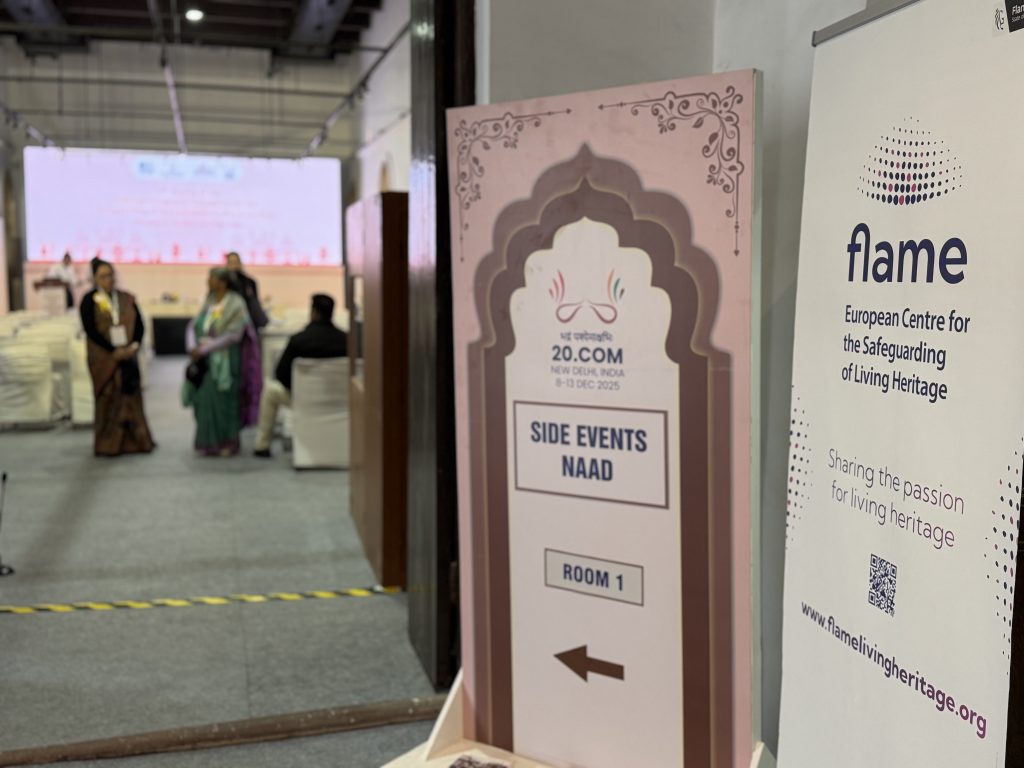
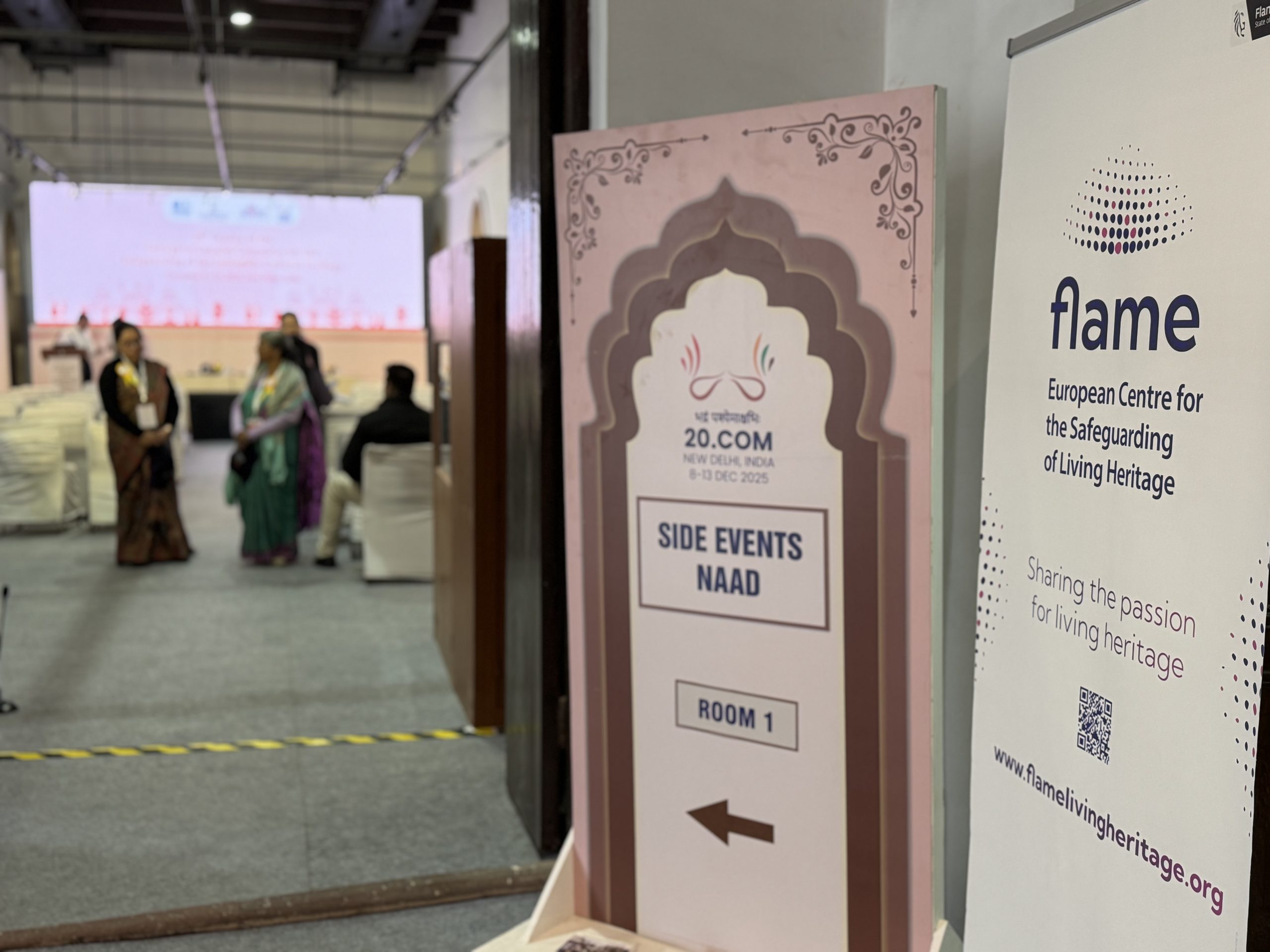
  The launch of FLAME European Centre for the Safeguarding of Living Heritage marked another important milestone. Introduced at the ICH NGO Forum’s symposium and presented through a dedicated side event, FLAME was shared as a European hub for cooperation, research, capacity-building and dialogue in the field of living heritage. It seeks to strengthen inclusive, community-centred and impact-oriented safeguarding approaches, while encouraging exchange across Europe and beyond.

  The side event offered the occasion to learn about FLAME’s vision, strategic priorities and thematic areas of expertise, as well as to discuss how the European Centre can support States Parties, NGOs, heritage bearers and practitioners in addressing complex contemporary challenges, including ethics, inclusion, well-being, sustainability and the evolving role of living heritage in rapidly changing societies. The European Centre was widely welcomed as a timely initiative, aligned with the broader priorities discussed during the 20.COM session and reflecting the growing need for dedicated spaces of exchange, reflection and applied expertise at the European level.

Points of attention and ongoing reflections

  Alongside the many positive developments highlighted during the 20th session, several recurring themes emerged that call for continued attention over time. The steady increase in nominations to the Representative List, with 119 files submitted this year, illustrates the vitality and visibility of the Convention. At the same time, this growing number of files places increasing demands on the Evaluation Body and invites broader reflection on how the Convention’s mechanisms can continue to operate in a way that remains balanced, coherent and faithful to its underlying principles.

  Issues related to gender equality were also part of the discussions, reflecting an area that continues to require sustained attention in the implementation of the Convention. Similarly, some exchanges touched upon questions of national framing, naming and representation of heritage elements, highlighting the importance of remaining attentive to how heritage is articulated, interpreted and contextualised in line with the Convention’s values.

  Taken together, these reflections underline the importance of maintaining an approach that prioritises the spirit of the Convention while allowing room for ongoing learning and adjustment. In this context, the ENFP can play a supportive role by offering space for shared reflection and exchange of experiences on these recurring questions, helping focal points and practitioners engage with them in a constructive, collegial and forward-looking manner.

What this means for the ENFP network

  The debates and outcomes of 20.COM confirmed the growing complexity of safeguarding living heritage and the increasing need for peer exchange, shared tools and practical cooperation.

  For the European Network of Focal Points (ENFP), this session reinforces the relevance of the network as a space to:

  • exchange experiences on emerging issues related to ethics, inclusion, urban contexts and economic dimensions;
  • strengthen cooperation among European focal points in response to evolving priorities in the work around Convention.

  Building on the momentum of 20.COM, the ENFP will continue to contribute to these discussions by fostering dialogue, sharing practical experiences, and supporting its members in navigating the changing landscape of intangible cultural heritage safeguarding. 

Categories: Events